

In modern metal roofing production, speed, consistency, and profile accuracy are critical. For manufacturers, contractors, and building material suppliers, choosing the right roll forming equipment directly affects production efficiency and finished sheet quality. A trapezoidal roofing sheet roll forming machine is designed to produce metal roofing panels with a trapezoidal profile through a continuous cold roll forming process.
As a roll forming machine manufacturer, we often find that many buyers understand the final roofing sheet they want to make, but they are not always clear about how the machine actually works, what components matter most, and how the production line should be configured for stable output. This article explains the machine in practical terms and shows how the forming process works from coil feeding to finished panel discharge.
What Is a Trapezoidal Roofing Sheet Roll Forming Machine?

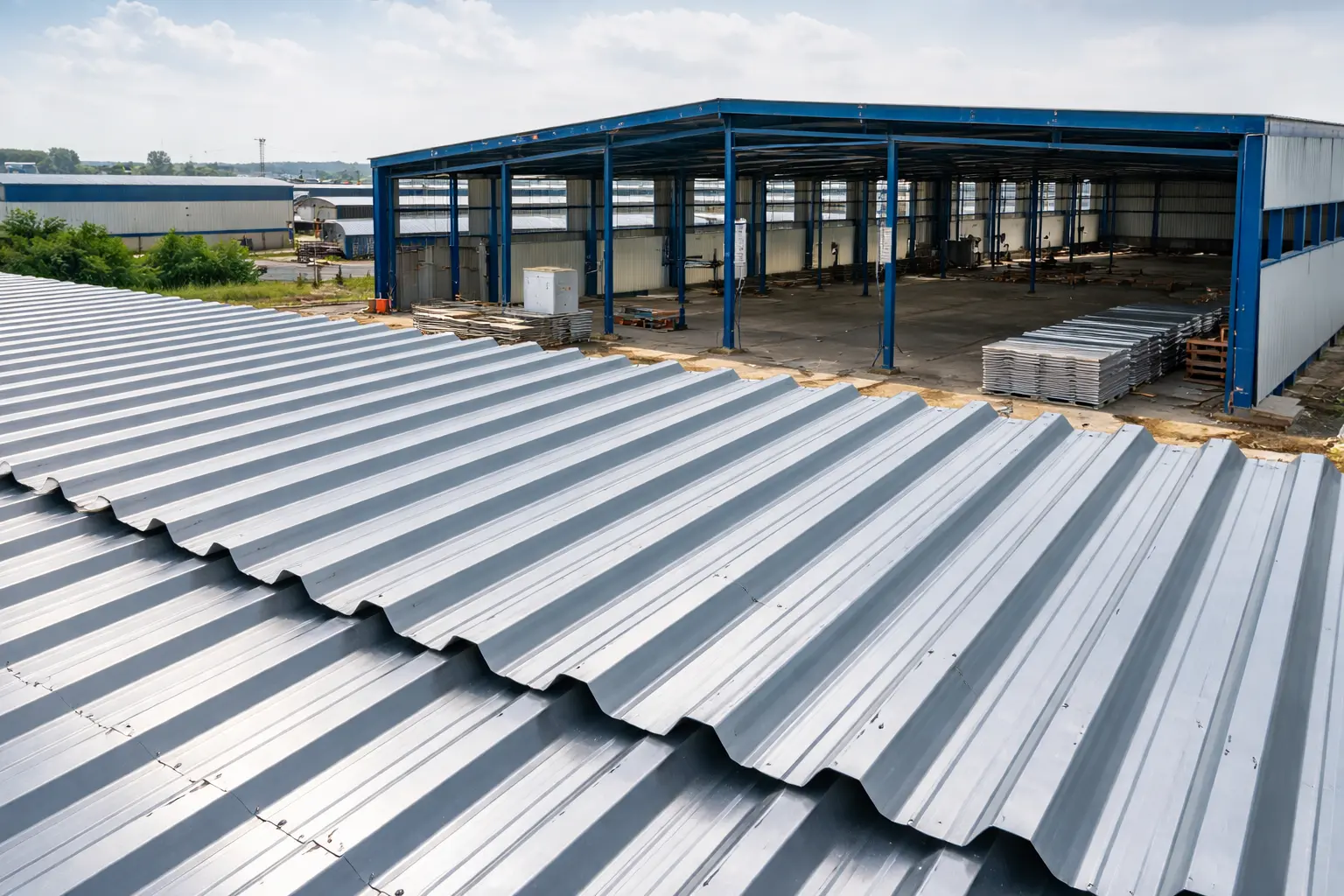
A trapezoidal roofing sheet roll forming machine is an industrial production line used to transform metal coils into trapezoidal roof panels or wall cladding sheets. These sheets are widely used in steel structure buildings, warehouses, workshops, factories, agricultural buildings, commercial roofing projects, and prefabricated construction systems.
The machine works by passing a metal coil through a series of forming rollers. Each roller station gradually shapes the flat sheet until the required trapezoidal profile is fully formed. After forming, the sheet is cut to the preset length automatically.
In simple terms, the machine takes raw metal coil and turns it into ready-to-install roofing panels with consistent dimensions and repeatable quality.
Why Trapezoidal Roofing Sheets Are Widely Used
Trapezoidal sheets remain one of the most common profiles in the metal roofing market because they offer a good balance of strength, drainage performance, installation efficiency, and material economy. Compared with flat sheets, the trapezoidal design improves rigidity and load-bearing performance. Compared with more decorative profiles, it is practical, cost-effective, and suitable for large-area roofing and wall applications.
That is why many manufacturers and project suppliers invest in a dedicated Balance Sheet Roll Forming Machine when they need continuous output for standard industrial roofing profiles.
Main Parts of the Machine
Although machine layouts can vary depending on profile design and customer requirements, a standard trapezoidal roofing sheet roll forming line usually includes the following sections:
1. Decoiler
The decoiler holds and releases the metal coil at the beginning of the production line. It supports stable feeding and helps prevent coil misalignment during operation.
2. Feeding and Guiding Device
This section guides the strip into the roll forming stations in the correct position. Proper guiding is essential because even a small deviation at the feeding stage can affect final profile accuracy.
3. Roll Forming Section
This is the core part of the machine. A series of roller stations gradually shape the flat metal strip into the required trapezoidal profile. The forming design must match the target panel drawing, material thickness, and production speed.
4. Cutting Device
After the sheet reaches the preset length, the cutting system cuts it automatically. In most production lines, hydraulic cutting is used because it is reliable and suitable for continuous operation.
5. PLC Control System
The PLC system allows the operator to set panel length, production quantity, and working speed. A well-designed control system makes the machine easier to operate and improves production consistency.
6. Output Table
After cutting, finished panels are transferred to the run-out table for collection, stacking, or packing.
How Does the Machine Work?
The working process is straightforward, but every stage matters if you want stable production and clean finished panels.
Step 1: Coil Loading
The metal coil is placed on the decoiler. Depending on the production line design, the decoiler may be manual or hydraulic. The coil is then uncoiled and prepared for feeding.
Step 2: Sheet Feeding
The strip enters the guiding section and moves forward into the forming rollers. Proper feeding alignment is important because it directly affects the straightness and shape of the finished sheet.
Step 3: Progressive Roll Forming
As the sheet passes through each roller station, it is bent little by little. Roll forming is a cold forming process, which means the metal is shaped without heating. This allows efficient production while maintaining the base material properties.
Each roller set performs part of the forming task. The first stations guide and pre-form the material, while the later stations complete the trapezoidal profile. This progressive forming method reduces stress concentration and helps improve profile consistency.
Step 4: Length Measurement and Automatic Cutting
Once the formed sheet reaches the preset length, the control system triggers the cutting device. The sheet is cut cleanly and discharged without interrupting the overall process more than necessary.
Step 5: Finished Panel Output
The finished roofing sheet is delivered to the output table, where it can be manually collected or integrated with an automatic stacking system if required.
What Materials Can Be Processed?
A trapezoidal roofing sheet roll forming machine is commonly used for materials such as:
- PPGI
- GI
- galvanized steel coil
- pre-painted steel coil
- aluminum coil
The exact thickness range depends on the machine design and the profile requirements. In actual production, roller design, shaft strength, motor power, and cutting configuration should all match the material specification. That is why machine selection should always be based on the buyer's real drawing and raw material data, not only on a general machine model name.
What Makes a Good Machine?
From a factory manufacturing perspective, a good trapezoidal roofing sheet roll forming machine is not judged by appearance alone. The real value comes from stability in daily production. Buyers should pay attention to several points.
Roller Design
The roller design must match the target profile accurately. Good roller processing helps ensure clean shaping, less marking on the sheet surface, and better dimensional consistency.
Machine Frame Strength
A rigid machine frame supports stable forming during long production runs. If the frame is not strong enough, vibration and profile deviation are more likely to occur.
Shaft and Bearing Quality
These directly affect running stability and machine life. For continuous industrial production, this part should never be underestimated.
Cutting Accuracy
An accurate cutting system improves finished sheet consistency and reduces material waste.
Easy Operation
A practical PLC control system saves time for operators and reduces setup errors during production.
For buyers planning long-term production, a reliable Balance Sheet Roll Forming Machine should deliver not only output speed, but also stable forming quality, simple operation, and convenient maintenance.
What Industries Use This Machine?
This type of machine is widely used by:
metal roofing sheet manufacturers
steel structure building suppliers
wall and roof cladding producers
construction material factories
contractors with in-house panel production
distributors serving industrial and agricultural building markets
For many customers, the machine is not just equipment. It is a production asset that affects delivery time, product consistency, and customer satisfaction.
How to Choose the Right Machine
When selecting a trapezoidal roofing sheet roll forming machine, buyers should first confirm the following:
- target panel profile drawing
- material type
- thickness range
- required production speed
- local voltage standard
- plant layout space
- whether hydraulic decoiler, auto stacker, or other options are needed
In real business, no serious machine manufacturer should recommend a configuration before reviewing the customer's panel drawing and material data. A machine must be matched to the application, otherwise even a well-built line may not perform as expected.
Why This Machine Matters
A trapezoidal roofing sheet roll forming machine is a practical and efficient solution for producing metal roof and wall panels in high volume. Its job is simple in concept: feed the coil, form the profile step by step, cut to length, and deliver a finished panel ready for installation. But behind that process, the details of roller design, machine structure, control system, and cutting accuracy determine whether the production line performs well in real factory conditions.
For buyers, understanding how the machine works is the first step toward choosing the right equipment. For manufacturers, supplying the right machine means more than assembling components. It means building a production line that can run smoothly, produce consistently, and support long-term commercial use.